
I knew the names long before I knew the plants.
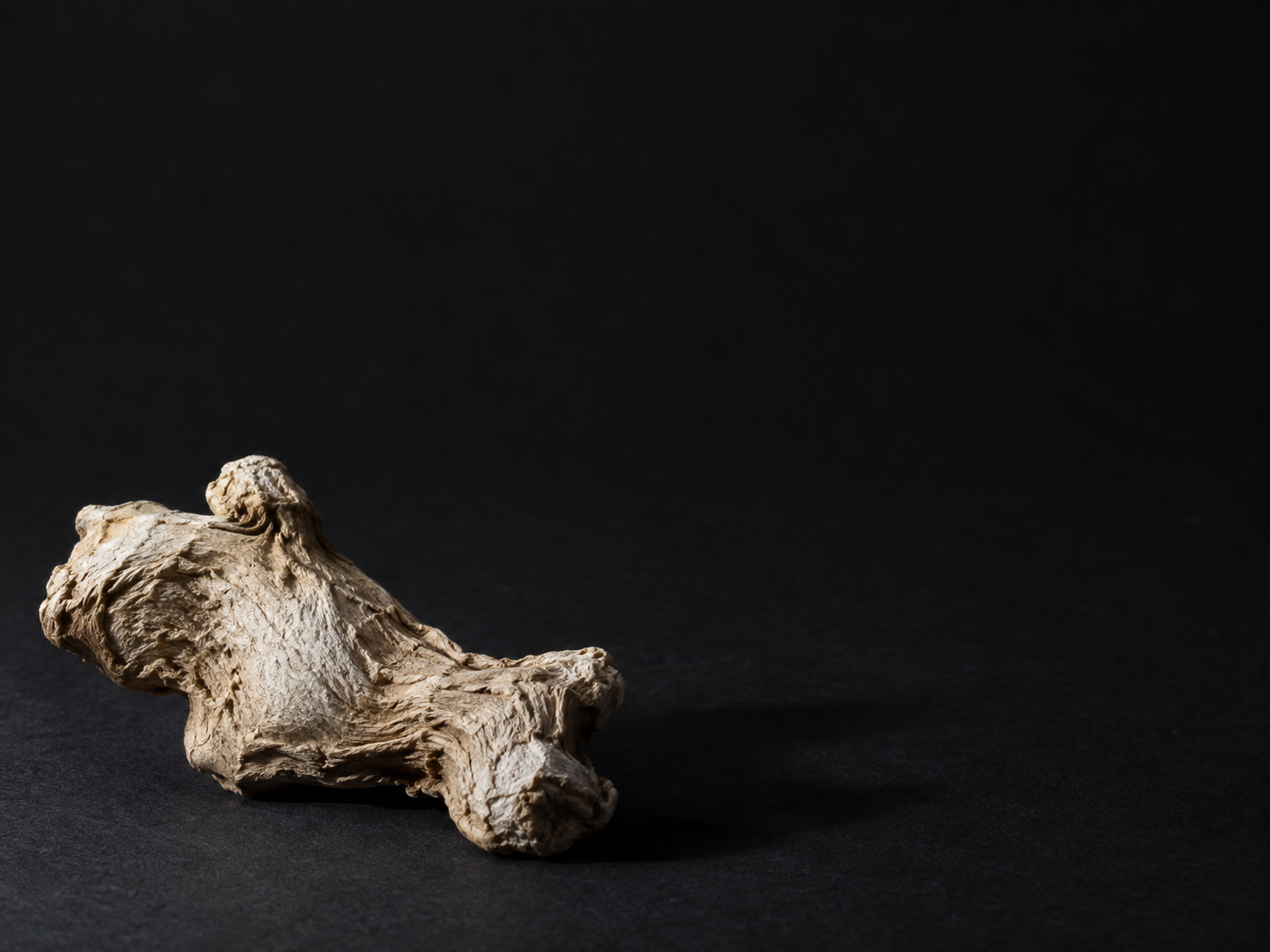
Ginger. Garlic. Sonth. Haldi. Jamun. Aloe vera. Giloy. The three fruits that make up Triphala.
Some were food. Others turned up when someone felt unwell. None of them were “wellness ingredients” — that isn’t a category anyone in the house would have recognised. They were simply there, the way the weather is there.
Growing up in India, food and looking after yourself sat close together. In my experience, the boundary between them rarely felt sharp. If something was off, you might try a remedy at home. You also went to the doctor. Both had a place in how we looked after ourselves.
I never asked why. Children don’t audit the world they’re handed. You learn the names, you notice what gets used, and the reasons arrive much later, or not at all.
The health I never had to think about
I barely missed school. One or two days across all those years, as I remember it.
I’d like that to mean something clean and obvious. It doesn’t. Childhood, food, movement, luck and circumstance are all in there somewhere, and I can’t separate them at this distance. Handing the credit to a handful of ingredients would make a better story than it would a true one.
What I actually remember is how little thought I gave my health while I had it. There was school, and sport, and whatever came next. Feeling capable was the background, never the subject.
I notice it more now. A change in the weather, a broken routine, a run-down week — these take up more room than they used to.
That contrast is what made me curious. It’s also what makes looking backwards so tempting: the explanation feels like it must be back there, whole and waiting.
Knowing a name isn’t knowing a plant
Work, another country, children. Food started fitting around everything else. We ate out more. Convenience earned its place in a full week.
The names stayed familiar. But recognising an ingredient isn’t the same as having it in your life. You can know something on sight and still go years without it crossing your kitchen.
When I started paying attention again, I found out how thin the recognition was. What had I actually understood? Which part of the plant is used? How is it prepared? What does a spice in the pan have to do with the same word printed on a supplement bottle?
Ginger and sonth come from the same plant, and the form and preparation matter. A fruit, a powder and a concentrated extract aren’t interchangeable just because the label sounds familiar.
That is the sort of detail I want to get right now. Where an ingredient comes from, what place it has held in people’s lives, what the research actually supports, and where the evidence stops and the uncertainty begins.
There’s room for affection in that work. There has to be room to be wrong, too. A memory can explain why an ingredient matters to me. It can’t tell you what it will do for you.
What I’d like my children to keep
I’d rather pass on the habit than the products. Not supplements — food, interest, and the ordinary business of paying attention, with proper advice where it’s needed.
Mostly I want to cook things they actually like. Food they’d ask for again. That takes more imagination than telling a child something is good for them, which, on its own, is rarely much of a selling point to a child.
This is some of what led me to Optima Herbs: going back to ingredients I recognise, looking harder at them, and learning how to talk about them without overselling. Most of that is unglamorous — checking details, questioning what I assumed, resisting a story that sounds more certain than it is.
One day one of my children might come across an ingredient they grew up around and feel that small flicker of recognition. I hope they do. I hope they also want to look it up.
Something familiar to remember, and the curiosity to ask again.